
The truth is that Santorini is the ultimate destination for dozens of types of tourism and one of them is wine tourism. Its vineyard is one of the oldest in Europe and according to research, vines have been cultivated since the 17th century BC.
For thousands of years, a special way of pruning the vines has been practiced in Santorini. Vintners twist the vine around to form a round basket, the so-called couloura. Inside it, the bunches grow and are protected from the strong wind.
Santorini, a popular tourist destination that attracts tourists from Greece and abroad, is undoubtedly the flagship of Greek tourism. In recent years, emphasis has been placed on sustainable development and the promotion of special forms of tourism, such as wine tourism, which favors visits in the autumn months.
Varieties of wine in Santorini
Santorini, therefore, steals impressions and produces unique PDO wines, dry as well as sweet Vinsanto that stand the test of time with the impressive Assyrtiko dominating and leaving its indelible stamp.
Asyrtiko
This is the flagship of Santorini wine. It is vinified alone or in combination with other varieties.
Aidani
Aidani is a white variety that participates in the PDO Santorini blend and also in Vinsanto. It gives wines with a medium body and an oily texture.
Mavrotragano
This is a rare and particularly important red variety of Santorini that gives wines of great claims! You will find excellent red wines from this variety, with a rich body, intense tannins and moderate acidity.
Santorini is known for its vineyards and its wine, which are unique in the world. The wineries of Santorini share with the island’s visitors the secrets and art of wine production. Most of them are located in central and southern Santorini, scattered among the beautiful villages.
Take a Santorini wine tour with us
Organized tours to wineries are a classic activity on the island. Tourist offices include in the itineraries, usually three wineries, in which during the visit, you will have the opportunity to try wine tasting, learn how they produced wine in the past in the canaves, try local delicacies. The winemakers will explain why Santorini vineyards are so unique and why the flavors of Santorini wines are so special.
The types of day trips vary and you can choose the classic morning one, the afternoon one which includes a sunset stop, a more sophisticated one which includes sampling the local cuisine and wine tasting or one for history buffs which focuses on the ancient tradition of wine production in Santorini.
The most famous destinations-villages with their wineries are Pyrgos, Megalochori, Exo Gonia and Episkopi Gonia, Mesaria.
Wine can warm your heart and be inextricably linked to the most important social events of our lives, at the same time it is a powerful weapon in the quiver of the Greek tourist product. Food-conscious wine tourists look for certified, local products, with green specifications from wineries that follow good practices towards the environment.
With over 18 wineries on the island, there is definitely no shortage of places to visit. Striving to make your experience truly unforgettable, in our wine tour we will provide the necessary information so that you can plan your itinerary according to your personal tastes and preferences.
With a history of over 3000 years of winemaking and a wide range of indigenous grape varieties (such as Assyrtiko, Aidani, Athiri, Mavrotragano, Mantilaria), it is no surprise that the wines of Santorini are highly celebrated.
A friendly and welcoming atmosphere awaits visitors at the wineries where they will be provided with a wine expertsommelier that will guide them through their winetasting endeavors and give them insight into the ancient tradition of local wine.
Taste 12 different glasses of santorini wines. The wines are usually accompanied with local specialties and visitors may make purchases if they wish.
Embark on a journey of unlocking the old secrets of local winemaking. Thanks to its distinctive volcanic soil conditions, Santorini is world-renowned for its exquisite wine varieties.Wineries on the island are deeply rooted in century-old tradition and, in fact,local winemakers extend to visitors an open invitation to experience their art.
Wine tourism, gastronomy and culture
Wine tourism on the island is highly developed and is an example for the rest of Greece to follow. Most wineries have specially designed areas, a separate wine tourism department and employ specialized staff. Visitors are offered various tour and tasting packages that marry Santorinian wines with local delicacies and high-end dishes. In addition, there are several companies operating on the island that organize wine tours and integrated wine experiences. On the island there are many restaurants that offer culinary delights of a high standard. Now the wine tourism product of Santorini has gained an international reputation and attracts wine lovers from all parts of the Earth. You can take a tour of Santorini!
Santorinian wines are the bridge between the primary and tertiary sectors, between the land of the island and its visitors. Santorini, over the centuries, has suffered from the eruptions of an unpredictable volcano, but the success of its wines is due to its volcanic soil, as well as to the prolonged sunshine, the wind, the lack of rain and the method of pruning the vines in a coil shape.
The PDO wine-growing zone includes areas of Thira and neighboring Thirasia. The flagship of the Santorini vineyard is Assyrtiko, followed by varieties such as Aidani and Athiri, Mavrotragano and Mandilaria. Santorini has also built a strong name in the field of wine tourism with wineries that can be visited, which, in addition to the crowds of foreign tourists who flock en masse, the domestic traveling public is also entitled to get to know them.
Santorini for Wine Lovers: Terroir, Styles and Tastings
The article above introduces the island’s vineyards, its main grape varieties and the wine tours that bring visitors to its cellars. This section goes deeper, for travellers who want to understand what they are tasting: why the wines taste the way they do, which styles to look for, when to come and how to plan the perfect tasting day. Put simply, it explains what makes Santorini for wine lovers such a rewarding destination.
Santorini for wine lovers in one sentence. Old vines, volcanic soil, strong winds, little rain and centuries of tradition produce wines with intense minerality, vibrant acidity and a sense of place that is hard to find anywhere else.
Santorini for wine lovers: the whites. Assyrtiko, supported by Athiri and Aidani, gives the island its famous dry whites.
Santorini for wine lovers: the sweet wine. Vinsanto, made from sun-dried grapes, is one of the great sweet wines of the Mediterranean.
Santorini for wine lovers: the reds. Mavrotragano and Mandilaria offer rare, characterful red wines.
Santorini for wine lovers: the setting. Tastings take place in historic cellars, modern wineries and terraces overlooking the caldera, often with the sunset as a backdrop.
Volcanic Soil and Ancient Vines
As the article above says, the success of the island’s wines is due to its volcanic soil, the long sunshine, the wind and the lack of rain. Understanding this terroir is the first step to enjoying Santorini for wine lovers.
Santorini for wine lovers: the soil. The vineyards grow in layers of volcanic ash, pumice and lava left by eruptions over thousands of years. This soil is poor in organic matter and very well drained, so the vines produce small crops of concentrated grapes. Locals call it aspa.
Santorini for wine lovers: ungrafted vines. Most of Europe’s vineyards were devastated by phylloxera, a root pest, and had to be replanted on resistant rootstocks. Phylloxera cannot survive in Santorini’s volcanic soil, so the island’s vines still grow on their own roots. Some root systems are said to be centuries old, with new shoots renewed from the same roots again and again.
Water. Rain is rare in the growing season. The vines survive largely on the moisture that sea mist and night-time humidity bring to the porous soil.
Wind. Strong winds sweep the island for much of the year, which is why the vines are trained low to the ground, as explained above.
Santorini for wine lovers: what you taste. These conditions give the wines their high natural acidity, their saline, stony character and their ability to age.
Santorini for wine lovers: see it for yourself. Walk among the vines in Pyrgos, Megalochori or Episkopi Gonia and pick up a handful of the grey, light soil. It explains the wine better than any label.
The Vineyard Year on the Island
The article above describes the couloura, the round basket shape into which growers twist their vines. The rhythm of work around these baskets shapes the whole year, and following it adds depth to Santorini for wine lovers.
Winter: pruning. In winter, the vines rest and growers prune them by hand, weaving the new canes into the basket. It is slow, skilled work, done bent low to the ground.
Spring: new growth. In spring, the first green shoots appear inside the baskets, and the bare grey vineyards slowly turn green.
Summer: ripening. Through the hot, dry summer, the bunches ripen inside the basket, protected from the wind and the fierce sun by the leaves around them.
Harvest. The grapes are picked early, usually in August and sometimes from late July in hot years. It is one of the earliest harvests in Europe, and it is done largely by hand because machines cannot work the low baskets.
Other training styles. Besides the couloura, you will see vines trained in a low goblet shape, and in some newer vineyards on low trellises.
Santorini for wine lovers in the vineyard. If you visit during the harvest, look out for pickers kneeling among the baskets at dawn.
Santorini for wine lovers and respect. Vineyards are private farmland. Admire them from the roads and paths, and never pick grapes.
The White Grapes in Depth
The article above introduces Assyrtiko and Aidani. Here is a closer look at the white grapes that define Santorini for wine lovers.
Santorini for wine lovers: Assyrtiko. The island’s flagship grape. On Santorini it keeps a high natural acidity even in the heat, with flavours of citrus, stone and sea salt. Young Assyrtiko is crisp and refreshing; with age it develops richer, more complex notes while keeping its freshness.
Athiri. A softer, more aromatic white grape with lower acidity. It is often blended with Assyrtiko to add fruit and roundness.
Aidani. As the article above says, a white variety with a medium body and an oily texture, with floral aromas. It plays an important part in Vinsanto.
Rare local whites. The island also preserves rare white varieties such as Gaidouria, Katsano and Platani. Some producers have revived them in small-batch wines, which are a treat for curious tasters.
Santorini for wine lovers: tasting Assyrtiko side by side. Compare a young Assyrtiko with an older vintage, or a wine from one village with another, to discover how much variety the grape can show.
Santorini for wine lovers: the blends. Ask at the wineries how they blend Assyrtiko with Athiri and Aidani, and how each grape changes the final wine.
The Red Grapes
The island is best known for white wine, but its red grapes are an exciting discovery and a highlight of Santorini for wine lovers.
Santorini for wine lovers: Mavrotragano. As the article above explains, a rare and important red variety, giving wines with a rich body and intense tannins. It was close to disappearing before a handful of producers revived it. Today it makes some of the most admired red wines in Greece.
Mandilaria. A deeply coloured red grape, widely grown in the Aegean islands. It adds colour and structure, and it is often blended with other varieties.
Voudomato. A rare local red grape, used by some producers for light reds and rosé.
Santorini for wine lovers who prefer red. Ask for a Mavrotragano tasting, and try it with grilled meat or a mature cheese.
Santorini for wine lovers: limited quantities. The red wines are produced in small volumes, so they can be hard to find outside the island. Tasting them on Santorini is a real privilege.
Wine Styles to Look For
A tasting flight on the island usually covers several different styles. Knowing them in advance makes Santorini for wine lovers even more rewarding.
Santorini PDO dry white. The classic style, based mainly on Assyrtiko, sometimes with Athiri and Aidani. Crisp, mineral and saline, it is the wine most visitors associate with the island.
Nykteri. A traditional white wine aged in oak. Its name comes from the Greek word for night and recalls the old custom of working the grapes at night to avoid the heat of the day. It is richer and rounder than the fresh dry whites.
Barrel-aged and old-vine whites. Many wineries make special cuvées from old vines or single vineyards, aged in oak or on their lees for extra depth.
Vinsanto. The famous sweet wine, made from sun-dried grapes and aged for years in oak barrels.
Reds and rosés. Mavrotragano and Mandilaria reds, and a few rosés made from local red grapes.
Santorini for wine lovers: how to taste. Start with the youngest and freshest whites, move to aged whites and Nykteri, then reds, and finish with Vinsanto.
Santorini for wine lovers: take notes. With many wines tasted in one day, a few notes on your phone help you remember which bottles to buy.
Vinsanto, the Island’s Sweet Treasure
The article above mentions Vinsanto as the island’s sweet wine that stands the test of time. For many visitors it is the most memorable glass of the trip, and no visit to Santorini for wine lovers is complete without it.
Santorini for wine lovers: how Vinsanto is made. After the harvest, bunches of Assyrtiko and Aidani are laid out in the sun to dry for several days. As they lose water, the sugars and aromas concentrate. The dried grapes are then pressed, fermented slowly and aged for years in oak barrels.
What it tastes like. Deep amber to brown in colour, with aromas of dried fruit, raisins, honey, caramel, coffee and spice, balanced by the fresh acidity typical of the island.
A long tradition. Sweet wine has been made on the island for centuries, and it was traded far beyond the Aegean.
Santorini for wine lovers: how to serve it. Serve Vinsanto slightly cool, with desserts, dried fruit and nuts, blue cheese or simply on its own after dinner.
Santorini for wine lovers: compare the ages. Some wineries offer Vinsanto of different ages. Tasting them side by side shows how the wine evolves over time.
A gift to take home. A bottle of Vinsanto keeps well after opening and makes a beautiful souvenir.
Canaves and the History of Island Wine
As the article above says, visitors on a wine tour learn how wine was made in the past in the canaves. These old cellars are a fascinating part of Santorini for wine lovers.
What a canava is. A canava is a traditional winery, often dug into the soft volcanic rock or built half underground. The thick walls and the rock kept the wine cool through the hot summer.
How they worked. Grapes were trodden by foot in a stone treading floor, and the juice flowed into tanks below. The wine was then kept in barrels in the cool cellar.
A long history. As the article above explains, vines have grown on the island for thousands of years, and wine has been part of daily life, trade and religious ceremony since ancient times.
Change and revival. In the 20th century, the 1956 earthquake and the growth of tourism reduced the area of vineyards. In recent decades, a new generation of winemakers has invested in quality, reviving old varieties and bringing Santorini wine to the attention of the world.
Santorini for wine lovers: visit a canava. Several wineries have preserved their old canaves, and some welcome visitors to see the traditional equipment.
Santorini for wine lovers: the wine museum. Near Vothonas, a wine museum set in an underground cave tells the story of island winemaking through tools, machines and displays.
When to Visit Santorini for Wine Lovers
As the article above says, wine tourism favours visits in the autumn months. In fact, each season offers something different, and choosing the right time shapes your experience of Santorini for wine lovers.
Spring (April to June). The vines turn green, the weather is pleasant and the wineries are open but not yet crowded. It is a lovely time for vineyard walks and relaxed tastings.
Summer (July and August). The busiest season, with every winery open and sunset tastings in full swing. In August you may see the harvest, known locally as vedema, and some wineries and villages celebrate it with food and music.
Autumn (September and October). The harvest is over, the new wines are resting in the tanks and the wineries are calmer. The weather is warm, the light is golden and the tasting rooms have more time for their guests.
Winter (November to March). Some wineries stay open, often with shorter hours or by appointment. You may see the vines being pruned, and you will have the tasting room almost to yourself.
Santorini for wine lovers in the harvest. If you want to see the vedema, plan your visit for August, and ask the wineries whether visitors can take part.
Santorini for wine lovers out of season. For quiet tastings and long conversations with winemakers, choose October or the spring months.
Planning the Perfect Tasting Day
As the article above explains, tours usually include three wineries, and you can choose a morning tour, an afternoon tour with a sunset stop or a tour focused on food or history. A few tips help you plan the ideal day of Santorini for wine lovers.
Three wineries is enough. Tasting flights can include many glasses. Three wineries in a day lets you taste properly and enjoy the views without rushing.
Mix the styles. Combine a historic family winery, a modern winery and a terrace with a caldera view for variety.
Eat as you taste. Choose tastings that include local food such as fava, tomatokeftedes, cheese and cured meats, or plan a long lunch between wineries.
Do not drive. The island’s roads are narrow and busy, and drinking and driving is dangerous and illegal. A private wine tour with a driver is the safest and most relaxing option.
Book ahead in summer. Sunset tastings and small-group tours fill quickly from June to September.
Santorini for wine lovers at sunset. End your day at a winery with a view to the west, where the sun sets over the caldera as you finish your last glass.
Santorini for wine lovers with a private tour. A private wine tour with Santorini Tours lets you choose the wineries, the pace and the timing, with a driver who knows the island.
Tasting Etiquette
A few simple habits make every visit more enjoyable and are part of Santorini for wine lovers done well.
Arrive on time. Tastings often run to a schedule, especially sunset sessions.
Ask questions. Winemakers and hosts love to talk about their vines, their grapes and their methods.
Use the spittoon. It is perfectly normal to spit or pour away wine, especially when you plan to visit several wineries.
Mention allergies. Let the host know in advance if you have food allergies, as tastings often include local snacks.
Santorini for wine lovers with children. Many wineries welcome families, and some serve grape juice or soft drinks to younger guests. Ask when you book.
Food and Wine Pairings
As the article above says, tastings often marry the island’s wines with local delicacies. Food is an essential part of Santorini for wine lovers, and these pairings are worth trying.
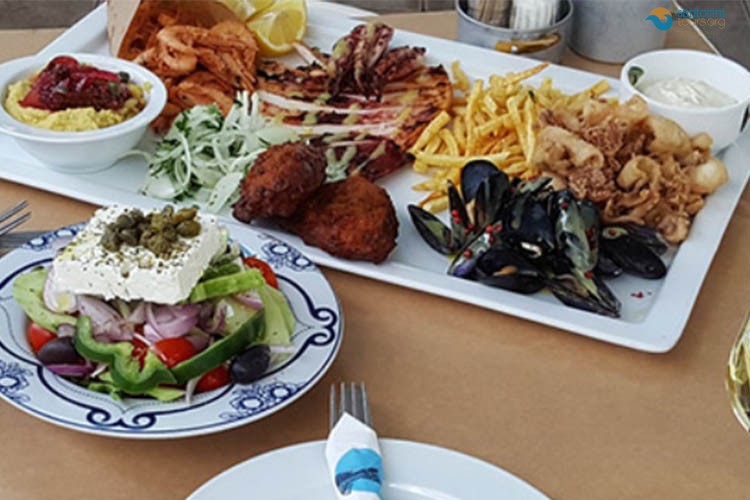
Assyrtiko and seafood. The crisp acidity and saline character of Assyrtiko pair perfectly with grilled fish, octopus, calamari and shellfish.
Assyrtiko and fava. The island’s creamy yellow split pea purée, with onion and capers, is a natural match for a young Assyrtiko.
Athiri and tomatokeftedes. The fruity softness of Athiri blends balance the fried tomato fritters made with the small local tomato.
Nykteri and richer dishes. The oak-aged Nykteri suits richer fish dishes, white meat and dishes with creamy sauces.
Mavrotragano and meat. The structure of Mavrotragano stands up to grilled lamb, beef and aged cheeses.
Vinsanto and dessert. Pair it with nut-based sweets, dried fruit or a blue cheese.
Santorini for wine lovers at the table. Many island restaurants offer long lists of local wines, and some offer tasting menus with wine pairings.
Santorini for wine lovers: ask the sommelier. Restaurant staff are usually happy to recommend a local wine for each dish.
Buying Wine and Taking It Home
As the article above notes, visitors may buy wine at the wineries. Bringing bottles home is one of the pleasures of Santorini for wine lovers.
Santorini for wine lovers: buy at the source. Wineries often sell limited cuvées, older vintages and rare varieties that are hard to find elsewhere.
Packing. Many wineries can wrap bottles for travel. Pack them in the middle of your checked luggage, surrounded by clothes.
Shipping. Some wineries can arrange shipping abroad. Ask about costs and the rules for your country before you buy.
Hand luggage. Liquids over the permitted limit are not allowed in hand luggage through security, so do not carry bottles in your cabin bag unless you buy them after security.
Santorini for wine lovers: what to choose. A classic Assyrtiko, an aged white or Nykteri, a Mavrotragano and a bottle of Vinsanto make a well-rounded selection of the island.
Santorini for wine lovers: keep the memory. Note the winery and vintage of your favourite wine, so you can look for it at home.
Beyond the Tasting Room
Wine touches every part of island life, and there are many ways to enjoy Santorini for wine lovers beyond a classic tasting.
Santorini for wine lovers on foot. Walk the country roads between Pyrgos, Megalochori and Episkopi Gonia, where the vines grow in their baskets between whitewashed chapels.
Wine villages. As the article above says, the most famous wine villages are Pyrgos, Megalochori, Exo Gonia, Episkopi Gonia and Mesaria. Each has lanes, churches and tavernas worth exploring.
Cooking classes. Some wineries and local cooks offer classes where you prepare island dishes and pair them with local wine.
Wine bars. In Fira, Oia and Imerovigli, wine bars pour a wide selection of island wines by the glass, often with a caldera view.
Santorini for wine lovers at sea. Some sunset cruises serve local wine on board, adding a new setting to your tasting.
Santorini for wine lovers and history. Combine a wine day with Akrotiri, where storage jars from the Bronze Age hint at how long the island has made and traded goods like wine.
A Three-Day Plan for Wine Lovers
This plan combines tastings, vineyards, food and sightseeing into a balanced trip, so you enjoy Santorini for wine lovers without tasting fatigue.
Day 1: the classic wine route. In the morning, walk through Pyrgos and visit a winery nearby. After lunch in a village taverna, continue to Megalochori for a second tasting, and end the day with a sunset tasting on a terrace facing the caldera.
Day 2: history and old cellars. Start at the archaeological site of Akrotiri, then visit a family winery with a traditional canava. In the afternoon, explore the wine museum near Vothonas, and have dinner in Fira with a bottle of Nykteri.
Day 3: food and wine. Join a cooking class paired with local wines, or take a long lunch in Exo Gonia or Episkopi Gonia. In the evening, taste Vinsanto of different ages as a final treat.
Santorini for wine lovers in one day. If you have only one day, a private wine tour with three wineries and a sunset stop covers the essentials.
Santorini for wine lovers with a non-drinking partner. Mix tastings with sightseeing, beaches and village walks, so everyone enjoys the day.
Santorini for wine lovers: pace yourself. Drink water between tastings, eat well and use the spittoon when you want to taste many wines.
Santorini for wine lovers: stay nearby. Staying in Pyrgos, Megalochori or Messaria puts you close to the wineries and away from the busiest caldera villages.
Frequently Asked Questions
Why is Santorini for wine lovers so special?
Santorini for wine lovers combines ungrafted old vines, volcanic soil, unique grape varieties such as Assyrtiko and a long winemaking tradition, all in a spectacular setting.
How many wineries should wine lovers visit in a day?
Three is ideal, as the article above suggests, so you can taste properly and enjoy each visit.
What is the best wine to try first?
Start with a young Santorini Assyrtiko, then try Nykteri, a Mavrotragano and finish with Vinsanto.
When is the best time to visit Santorini for wine lovers?
August for the harvest, September and October for calmer tastings, and spring for green vineyards and mild weather.
Do I need to book tastings?
In summer, yes, especially sunset tastings. Out of season, check opening hours in advance.
Santorini for wine lovers with Santorini Tours. Our private wine tours take you to the wineries that match your taste, with a driver, flexible timing and the option to add a sunset stop. Contact us to plan your wine day on the island.