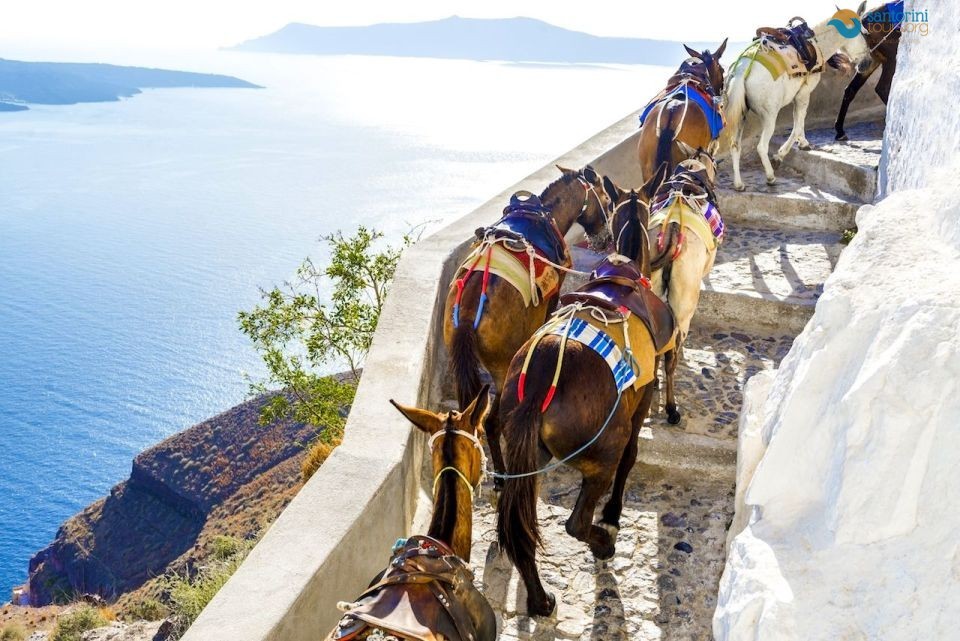
Santorini supermarkets are all in the wrong place for visitors, which is the whole point of this page. The large stores sit inland on the Fira to Kamari road and around Karterados and Messaria, feeding fifteen thousand residents at normal Greek prices, while the caldera rim has minimarkets charging three times as much for a bottle of water. We drive guests past these stores every day, and this page covers where they are, what things cost, when they open and what to buy.

Santorini is a citizen of the world and a dream destination for many people and you can explore the island with Santorini Tours. It is no coincidence that for many people on the planet it is a lifelong dream to travel to Santorini. Many even spend a lot of money to be able to see the Caldera up close and enjoy the famous sunset from there. So surely something makes this place unique for the visitor.
However, not a little has been written about this unique place which is the creation of one of the most dangerous volcanoes on our planet. Consider that around 1600 BC, when it exploded, an entire civilization disappeared at once. There are many who believe that the lost Atlantis may have been buried under the lava of this volcano once and for all.
Its ideal location, its special morphology, the uniqueness of gastronomy, the strong character of its hotels but also the correct and highly professional utilization of all the above by businessmen have turned Santorini into a trendsetter of luxury tourism worldwide. Loud hotel openings, gastronomic concepts by award-winning chefs, gourmet street food are things that happen in Santorini in the summer.
Do not miss the famous sunset of Oia
The route from Imerovigli to Oia is about nine kilometers and as it runs through the beautiful landscapes of Santorini with the cliffs, the volcanic rocks, the white chapels, the restored windmills, it literally wins the impressions.
Oia is world famous for its unique sunset. Oia is divided into two neighborhoods. One is on the side of the caldera with the restored caves that are hidden in the volcanic land and is the area where the farmers and sailors of the island lived. The other is the neighborhood where most of the shipowners ‘neoclassical residences and captains’ houses are located.
Even today, Oia, despite its tourist development, maintains a nostalgic atmosphere. It is worth visiting the Maritime Museum where objects from the maritime history of the island are exhibited, as well as an important collection of books. Remarkable are the nearby traditional villages Tholos and Finikia. Descending from Oia the 214 steps, you will find the coves Ammoudi and Armeni.
Taste the special local cuisine of Santorini
Santorini is famous for its fava beans, , its excellent tomato, white eggplant, its tomato meatballs and of course for the fishes. It will impress you that what is produced on the island is smaller than normal due to lack of water but this means that they are all much more rich in elements and taste. Of course, all the food you will try, make sure to accompany them with one of the wines of the island to take off the delicious experience.
Some special local recipes of the island to try are the koufeto, the melitinia, the Santorini pudding, the sponge, the psarolia, the atherinopita, the and the rabbit. Also, do not forget to try the local salad of the island, which combines plenty of capers with all the local products of the island. You can have a Santorini Private Tour and Food Experience with us!
Ideal island for extreme sports
After last year’s summer, Santorini welcomes the new season with more and more intriguing activities than ever. Only a diving enthusiast can understand the uniqueness of the experience of becoming part of this wonderful aquatic world. In Santorini you will feel this many times over, since at the same time there is the peculiarity of the seabed, the volcanic rocks and the awe from the bottom of the caldera. In Santorini you will find many activities to do such as hiking, kayaking, sailing, water sports and more. You can take a tour of Santorini!
Admire the beautiful villages of the island
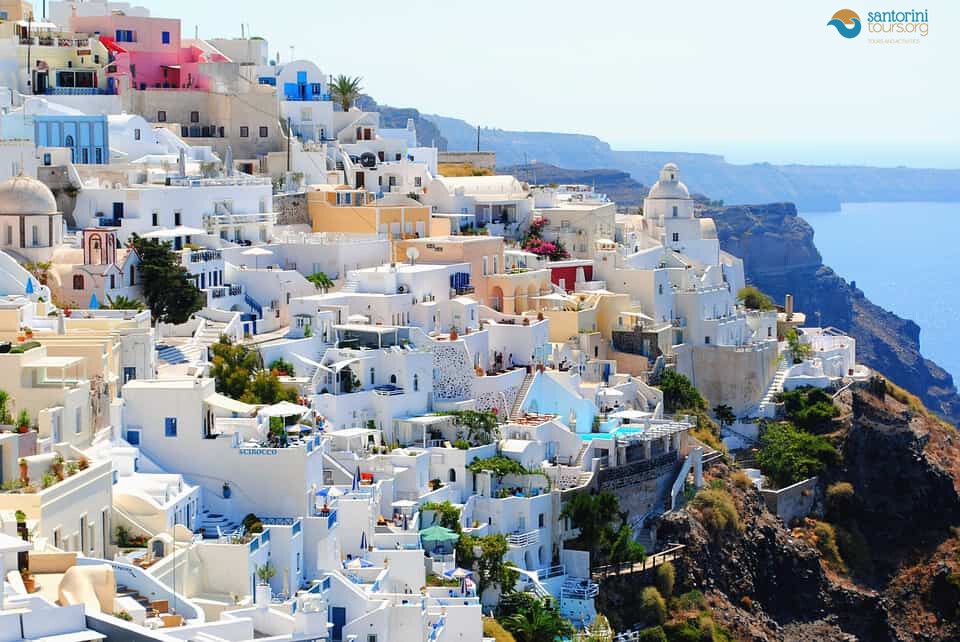
The capital of the island is Fira, which are built on the Caldera, 260 meters above sea level and have a wonderful view of the clear blue waters of the Aegean. Also, Firostefani, Imerovigli and Oia stretch along the caldera and will enchant you, each in its own unique way. The settlement of Oia is the first in Greece that was considered preserved, as it looks like a work of art, which is natural and has no human intervention, since its rocks were sculpted and carved in a unique way from the lava of the volcano.
In the village of Akrotiri, which is about 10 km from Fira, there is the most important discovery of the Eastern Mediterranean that concerns the prehistoric settlement that was first inhabited in 4500 BC. Pyrgos is a jewel village and a pole of attraction for many tourists who seek tranquility and natural beauty. It is 5-10 minutes from Fira and is the most beloved village of the island, as in 1800 it was the capital of Santorini and to this day it retains the glamor of the past. The highest peak of the island is located in this village, in the church of Profitis Ilias, from where you can see the most beautiful view of the island and the sunset.
Still, Megalochori seems like a painting with its sculpted rocky houses and incredible tranquility. There are also many wineries that you can visit. Also, you can visit the windmills on the hill of Gavriilos that especially at night with shaving look extremely romantic. Book a Santorini Full Day Private Tour now.
See rare finds in the museums of the island
A visit to the museum of Prehistoric Thira but also to the archeological site is like a dive into the long history of the island. The first houses finds from excavations in Akrotiri, such as furniture molds, bronze utensils and the only golden chamois figurine.
The Archaeological Museum has collections of sculptures and inscriptions from the Archaic to the Roman period. Excavations have revealed parts of an advanced settlement of the 3rd millennium BC buried in the ashes of the great eruption of the volcano (15th century BC). It is considered one of the most important prehistoric centers of the Aegean and the Mediterranean.
Read more about Santorini:
- Santorini Sightseeing Private Tour
- Exclusive Shore Santorini Private Tour
- Impressive Caldera Santorini Private Tour
- South Part Santorini Private Tour
- North Part Santorini Private Tour
- Santorini Historical Private Tour
- Santorini Sunset Private Tour
Santorini Supermarkets: The Short Answer
Santorini has proper supermarkets, and almost none of them is where visitors stay. The large stores sit inland, on the Fira to Kamari road and around Karterados and Messaria, feeding fifteen thousand residents. The caldera rim has minimarkets charging tourist prices for the same goods. Knowing which santorini supermarkets to use is the single biggest saving available to anybody with a kitchen, and it also matters to people who just want water and sun cream without paying four euros for it.
The large santorini supermarkets. Full-size supermarkets on the Fira to Kamari road, in Karterados and around Messaria, with car parks.
The santorini supermarkets chains. The Greek chains operate here alongside local independents, and one large discounter has a presence on the island.
The minimarkets against the santorini supermarkets. In every village including Oia, Imerovigli and Firostefani, small, convenient and thirty to sixty per cent dearer.
Santorini supermarkets opening hours. Roughly eight or nine in the morning to nine at night in season, shorter in winter, and most open on Sunday in summer.
Cards in the santorini supermarkets. Accepted everywhere, including the village shops.
What to buy in the santorini supermarkets. Water, fruit, bread, cheese, olives, wine, sun cream and anything for a self-catering kitchen.
What is dear. Imported branded goods, fresh meat, and anything bought within two hundred metres of the caldera.
What is cheap. Greek produce, pulses, olive oil, tinned tomatoes, bread, bottled water and Greek wine.
The wine. Santorini Assyrtiko from seven to fifteen euros a bottle in the santorini supermarkets, against thirty to sixty in a restaurant.
Water. Tap water is desalinated and nobody drinks it. A six-pack of one and a half litre bottles costs two to three euros.
The arrival-day santorini supermarkets shop. The most useful twenty minutes of any Santorini trip, done on the way from the airport or the port.
Getting there. A car, a scooter or a bus to Fira, because the big stores are not walkable from the rim villages.
The one-line answer. Shop once at a large inland store on arrival day and use the village minimarket only for the things you forgot, and a week here costs several hundred euros less.
Where the Big Stores Are
Santorini supermarkets on the Fira to Kamari road. The island’s commercial strip, with the largest santorini supermarkets, car parks and the widest ranges.
Santorini supermarkets in Karterados. Residential, ten minutes’ walk from Fira, with two good-sized stores used by islanders.
Santorini supermarkets in Messaria. The island’s crossroads, on every bus route, with a supermarket and a petrol station.
Santorini supermarkets in Fira. Several mid-size stores away from the caldera path, plus small shops on it at rim prices.
Santorini supermarkets in Emporio. The largest village, with a proper supermarket serving residents rather than visitors.
Santorini supermarkets in Kamari. Stores on the main road behind the beach, decent sized, open late in season.
Santorini supermarkets in Perissa and Perivolos. Mid-size supermarkets on the beach road, busier and slightly dearer than the inland ones.
Megalochori and Pyrgos. Village shops rather than supermarkets, fine for basics.
Santorini supermarkets in Oia. Minimarkets only, expensive, and the nearest large store is fifteen minutes’ drive away.
Santorini supermarkets in Imerovigli and Firostefani. Small shops, the highest prices on the island, and Fira is a short walk downhill.
Santorini supermarkets in Akrotiri. A village shop, and the big stores are twenty minutes away.
Vothonas and Exo Gonia. Local shops on the inland roads.
Parking at the santorini supermarkets. Free at the large stores, which is worth knowing on an island where parking is otherwise a problem.
The practical rule. Every worthwhile store on this island is inland, and every convenient one is on the rim, and the price difference between them is the entire subject of this page.
What Things Cost
Real prices, so the saving is visible rather than theoretical.
Bottled water in the santorini supermarkets. Forty to sixty cents in a large store, one to one fifty in a village minimarket, two to three on the caldera.
Bread. One to two euros for a village loaf, and the bakeries are better than the supermarkets.
Feta. Five to eight euros a kilo, loose from the deli counter, and far better than pre-packed.
Greek yoghurt. Two to three euros for a large pot.
Olives. Four to seven euros a kilo loose.
Olive oil in the santorini supermarkets. Eight to fourteen euros a litre for good Greek oil, which is the best value item in any of the santorini supermarkets.
Tomatoes. Two to four euros a kilo in season, and the small Santorini ones cost more.
Santorini fava. Six to twelve euros for a PDO-sealed bag, and the best souvenir on the island.
Capers. Three to six euros a jar, local, excellent.
Assyrtiko in the santorini supermarkets. Seven to fifteen euros a bottle, from the cooperative and the named estates.
Beer. One to two euros for a Greek lager, three to four for a local Donkey beer.
Coffee. Three to six euros for a bag of Greek ground coffee.
Sun cream in the santorini supermarkets. Eight to eighteen euros, and much more from a beach kiosk. Bring it from home.
A week of groceries for two. A hundred and twenty to two hundred euros cooking most meals, against seven hundred and up eating out.
The santorini supermarkets saving. One large shop on arrival day saves roughly the price of two caldera dinners, for twenty minutes of effort.
What to Buy and What to Skip
Buy the Greek produce in the santorini supermarkets. Tomatoes, cucumbers, peppers, aubergines, greens and fruit, all seasonal and all cheap.
Buy the pulses. Gigantes, lentils, chickpeas and the island’s own fava, at a fraction of northern European prices.
Buy the dairy. Feta, graviera, mizithra and the island’s chloro cheese where you find it.
Buy the oil and the honey. Greek olive oil and thyme honey are both better and cheaper than anything you will find at home.
Buy the wine. Assyrtiko from the santorini supermarkets is the same wine you will pay four times as much for on a terrace.
Buy the water. In bulk, from a large store, on the first day.
Skip the imported brands in the santorini supermarkets. Northern European cereals, sauces and snacks carry a heavy import markup here.
Skip the fresh meat unless you are cooking. The butchers are better and not much dearer.
Skip the ready meals. Limited range and poor value against a five euro taverna plate of ladera.
Skip the beach toys and inflatables. Sold at a markup and left behind at the end of the week.
The santorini supermarkets deli counter. Point and hold up fingers. Loose cheese, olives and cured meat are cheaper and better than the packets.
The santorini supermarkets bakery counter. Most large stores have one, with bread, pies and pastries baked through the day.
Free-from shelves in the santorini supermarkets. A gluten-free shelf and some plant milks in the large stores, and none in the village shops.
Bags. Charged for, so carry one. Greek supermarkets do not give them away.
Opening Hours, Sundays and the Winter Version
Summer hours at the santorini supermarkets. Roughly eight or nine in the morning to nine at night, seven days a week, in the large stores.
Village minimarkets. Often later in season, and many stay open until ten or eleven in the beach villages.
Sundays at the santorini supermarkets. Most santorini supermarkets open on Sunday from May to October, and hours are shorter.
Winter hours at the santorini supermarkets. Eight or nine to eight, with many closing for a couple of hours in the afternoon and most closed on Sunday.
The siesta. Less strict on Santorini in season than on the mainland, and real in the villages in winter.
Public holidays and the santorini supermarkets. The 15th of August, Easter Sunday and the 25th of March close almost everything. Shop the day before.
Easter. Good Friday and Easter Sunday are the two quietest days of the Greek year.
Which santorini supermarkets stay open in winter. The Fira, Karterados, Messaria and Emporio stores trade all year. The beach villages largely shut.
Winter ranges. Narrower, with less imported produce and fewer prepared foods.
Bakeries. Open from before seven in every village, all year, and a better breakfast than any supermarket.
Butchers and fishmongers. Mornings, in Fira and Karterados, and worth the detour.
Pharmacies. Separate from the supermarkets in Greece, with their own rota for evenings and Sundays.
Alcohol. Sold in supermarkets at all hours, with no licensing restrictions worth knowing about.
The planning rule. In August and around public holidays, do the shop a day earlier than you think you need to.
Santorini Supermarkets: Questions People Ask
Where are the santorini supermarkets? Yes, full-size ones on the Fira to Kamari road, in Karterados, Messaria and Emporio, with car parks and wide ranges.
Which of the santorini supermarkets is biggest? The largest stores are inland on the Fira to Kamari commercial strip rather than in any of the rim villages.
Are there santorini supermarkets in Oia? Minimarkets only, at high prices. The nearest large store is about fifteen minutes away by car.
How expensive is food on Santorini? Greek supermarket prices in the large inland stores, and thirty to sixty per cent more in the village and caldera minimarkets.
Can I pay by card? Yes, everywhere, including the small village shops.
What hours do the santorini supermarkets keep? Roughly eight or nine to nine in summer, seven days a week. Shorter in winter, with Sunday closures.
Do the santorini supermarkets open on Sundays? Most large santorini supermarkets do from May to October, with reduced hours.
Can I drink the tap water? It is desalinated and safe for washing and cooking, and nobody drinks it. Buy bottled water in bulk.
Is there gluten-free food? A free-from shelf in the large stores with bread, pasta and biscuits. Nothing in the village shops.
Can I get oat and soy milk? Yes in the large stores, patchily in the villages.
What should I buy to take home? Santorini fava, capers, tomato paste, sun-dried tomatoes, thyme honey, olive oil and a bottle of Assyrtiko.
Do I need a car? For the large stores, effectively yes, or a bus to Fira and a walk to Karterados.
Is there home delivery? Some stores deliver locally, and food delivery apps cover Fira and Karterados.
When should I do the big shop? On arrival day, on the way from the airport or the port, which is the single most useful stop of the trip.
Self-Catering, and How Much It Saves
Who this is for. Anybody in an apartment, a villa or a cave house with a kitchen, which on Santorini is a large proportion of visitors.
The santorini supermarkets saving. Cooking four dinners out of seven saves roughly three hundred euros for two people over a week.
The easiest meals. Greek salad and bread, grilled fish, gigantes, pasta with Santorini tomato paste, and fava.
Fava at home. A bag from the santorini supermarkets, half an hour in a pot with onion and oil, and it is the island’s signature dish for two euros.
Breakfast from the santorini supermarkets. Bread, tahini, honey, yoghurt, fruit and Greek coffee, for a fraction of a hotel buffet.
Picnics from the santorini supermarkets. Bread, feta, tomatoes, olives, capers and a bottle of Assyrtiko, eaten on a terrace, beats most restaurant meals.
Beach days and the santorini supermarkets. A cool bag, water, fruit and pastries bought in the morning, against beach-bar prices all afternoon.
What kitchens here have. A hob, a fridge, a kettle and basic pans. Ovens are less common than you would expect.
What they lack. Sharp knives, a colander and any real quantity of pans. Ask before you plan anything ambitious.
The barbecue. Many terraces have one, and grilled fish or vegetables with a view is the best dinner on the island.
Water for cooking. Tap water is desalinated and fine for boiling pasta. Use bottled for drinking and coffee.
Rubbish. Communal bins in every village, emptied daily in season.
The balance most people land on. Breakfast and two or three dinners at home, lunches out in villages, and two proper restaurant nights.
Why that works. It keeps the week affordable without turning a holiday into a domestic chore.
The Shopping Run, and How We Help
The arrival-day santorini supermarkets stop. We will stop at one of the large santorini supermarkets on the way from the airport or Athinios port if you ask when you book.
Why it matters. Twenty minutes with a car solves the whole week. Doing it later without one means a bus, a walk and carrying bags uphill.
Santorini supermarkets from the airport. The Fira to Kamari road stores are directly on the route to almost anywhere on the island.
Santorini supermarkets from Athinios port. Karterados and Messaria are on the way up, and both have parking.
What to buy on that stop. Water in bulk, breakfast, wine, fruit and anything heavy, because you will not want to carry it later.
Staying in Oia. Particularly worth doing, because Oia has no large store and the lanes are stepped.
Staying in Imerovigli. The same, and several properties are a two hundred step descent from the road.
Mid-week top-ups. The village minimarkets are fine for bread, milk and fruit at a small premium.
Villas, groups and the santorini supermarkets. A large shop makes obvious sense for six or eight people, and we can run a second car if needed.
Dietary requirements. Tell us and we will take you to the store with the right shelf, because not all of them carry free-from ranges.
Departure day at the santorini supermarkets. A stop for fava, capers, paste and honey on the way to the airport, which is cheaper than the duty-free shop and better.
Long stays. Anybody here for a month or more should know which of the santorini supermarkets open in winter, and we can tell you.
What to send us. Your arrival time, where you are staying and whether you have a kitchen, and we will build the shopping stop into the transfer.
The Greek Supermarket, Explained
Greek stores work slightly differently from northern European ones, and knowing how saves time and money.
The deli counter. The best part. Loose feta, graviera, olives, cured meat and salads, cut to order and cheaper than the packets.
How to order there. Point, and say a number of grams or hold up fingers. Nobody expects Greek.
The bakery counter. In most large santorini supermarkets, with bread, tiropita, spanakopita and pastries baked through the day.
Loose produce in the santorini supermarkets. Weighed at the checkout rather than by you, so no sticker machine to find.
Bags in the santorini supermarkets. Charged by law. Bring one or buy a reusable at the till.
Packing. You pack your own, quickly, because the queue behind you is patient but not infinitely so.
Trolley coins. Some stores use a coin deposit. Keep a fifty cent piece in the car.
Receipts. Always issued and legally required. Keep it until you leave the shop.
Alcohol. On the shelves at all hours, with no licensing hours in Greece.
Local shelves in the santorini supermarkets. Most large stores keep a Santorini section with fava, capers, tomato paste and island wine.
Pharmacy items. Painkillers and medicines are sold in pharmacies, not supermarkets. Only basic first aid is on the shelves.
Baby goods. Formula, nappies and jars are stocked in the larger stores and not in the village shops.
Pet food. A full range in the large stores.
The one habit worth copying. Greeks shop the deli counter first and the aisles second, and the food is better for it.
Markets, Bakeries and the Alternatives
Bakeries against the santorini supermarkets. In every village, open from before seven, and better than any supermarket bread on the island.
What bakeries sell. Village loaves, koulouri, tiropita, spanakopita, bougatsa, pastries and biscuits.
Butchers against the santorini supermarkets. In Fira, Karterados and Emporio, with better meat than the supermarket counters at similar prices.
Fishmongers against the santorini supermarkets. Fira and Karterados, mornings, at a third of restaurant prices for the same fish.
Greengrocers. A handful, seasonal, with better produce than the santorini supermarkets in July and August.
Farm shops. A few inland, selling tomatoes, fava, capers and eggs directly.
Wineries. Buy Assyrtiko at the estate for a similar price to the supermarket and a much better selection.
Kiosks against the santorini supermarkets. The periptero, selling water, snacks, cigarettes and bus tickets, open very late.
Beach kiosks. Convenient and expensive. A bottle of water costs three times the supermarket price.
Delivery from the santorini supermarkets. Operating in Fira and Karterados, covering groceries and restaurants.
Sunday and holidays. Bakeries open, large stores variable, and the 15th of August closes almost everything.
Winter. The inland stores and bakeries carry on. The beach village shops shut from November.
The best combination. A weekly shop at one of the large santorini supermarkets, daily bread from the village bakery, and fish or meat from a counter rather than a shelf.
Prices Against the Rest of Greece
Against Athens. Roughly ten to fifteen per cent more in the santorini supermarkets, which is the cost of shipping everything to a rock.
Against Crete. Similar, with Crete cheaper on produce because it grows its own at scale.
Against Naxos. Naxos is cheaper on vegetables, potatoes and cheese, all of which it farms properly.
Against Mykonos. About the same, and Mykonos is dearer in the village shops.
Against the smaller Cyclades. Santorini is cheaper, because it has real competition and they have one shop each.
Against northern Europe. Cheaper on produce, oil, wine, pulses and dairy, and dearer on imported branded goods.
What is genuinely cheap here. Olive oil, wine, feta, tomatoes, greens, pulses, bread and coffee.
What is genuinely dear. Imported cereals, sauces, toiletries, sun cream and anything with a northern European brand on it.
Bottled water. Cheap in bulk from a large store and one of the biggest markups on the island anywhere else.
The overall picture. Santorini has a reputation for being expensive that comes from its restaurants and hotels rather than from its shops.
What that means in practice. A visitor who eats out every night finds this island expensive, and one who uses the santorini supermarkets for half their meals does not.
The single number worth remembering. A full week of groceries for two costs about what one caldera-view dinner does.
What to Bring Home
The supermarket is a better souvenir shop than the souvenir shops, and everything here travels in checked luggage.
Santorini fava from the santorini supermarkets. PDO-sealed, six to twelve euros a bag, and it cooks into the island’s signature dish in half an hour.
Capers from the santorini supermarkets. Jarred, local, three to six euros, and far better than anything sold at home.
Tomato paste. Santorini’s own, thick and dark, and unlike the mainland version.
Sun-dried tomatoes. In oil, intensely sweet, and the best thing in most of the santorini supermarkets.
Thyme honey from the santorini supermarkets. Greek, and the island’s own where you can find it. Counts as a liquid in hand luggage.
Olive oil from the santorini supermarkets. Cheaper and better than at home, and the single best-value purchase on the shelves.
Assyrtiko. Seven to fifteen euros a bottle, and wrapped in clothing it travels fine in a case.
Vinsanto. The sweet sun-dried wine, small bottles, and a genuinely local gift.
Sesame halva and pasteli. Light, unbreakable and cheap.
Greek coffee. A bag of ground coffee and a briki from a hardware shop.
Oregano and herbs. Sold in large bunches, weightless, and much stronger than supermarket jars at home.
Mastic products. From Chios rather than Santorini, and stocked here.
What not to bring. Fresh cheese and anything chilled, which will not survive a ferry and a flight.
Customs. Within the EU, nothing to declare. Outside it, check the rules on dairy and honey before you pack them.
The departure stop. Ten minutes at one of the santorini supermarkets on the way to the airport beats the duty-free shop on both price and range.
Every Village and Site on the Island
Any of these can be built into a private day. Each has its own page with what to see and how long to allow.
Caldera villages: Fira · Firostefani · Imerovigli · Oia · Finikia · Baxedes
Inland villages: Pyrgos · Megalochori · Emporio · Mesaria · Karterados · Vothonas · Vourvoulos · Exo Gonia · Mesa Gonia · Pigadia
Beaches: Perissa · Perivolos · Kamari · Vlychada · Monolithos · Red Beach · White Beach · Agios Georgios · Agia Paraskevi
Sites and landmarks: Akrotiri · Ancient Thira · Akrotiri Lighthouse · Nea Kameni · Palia Kameni · Thirasia · Athinios Port
All our tours: All Santorini tours · Full day tour · Sightseeing tour · Personalised tour · North part tour · Horse riding · South part tour · Sunset tour · Shore excursion · Caldera tour · Food experience · Wine tour · Historical tour · Small group tour
Planning and services: Famous sights tour · Private transfers · Transfers to Oia and Finikia · Transfers to other villages · Villages of Santorini · History of Santorini · Tours near you · Languages we guide in · Food and fun tours · Gay friendly tours · Our tour buses · Daily tours · Day tours · FAQ · Gallery · Tour photo gallery · About us · Contact · Blog